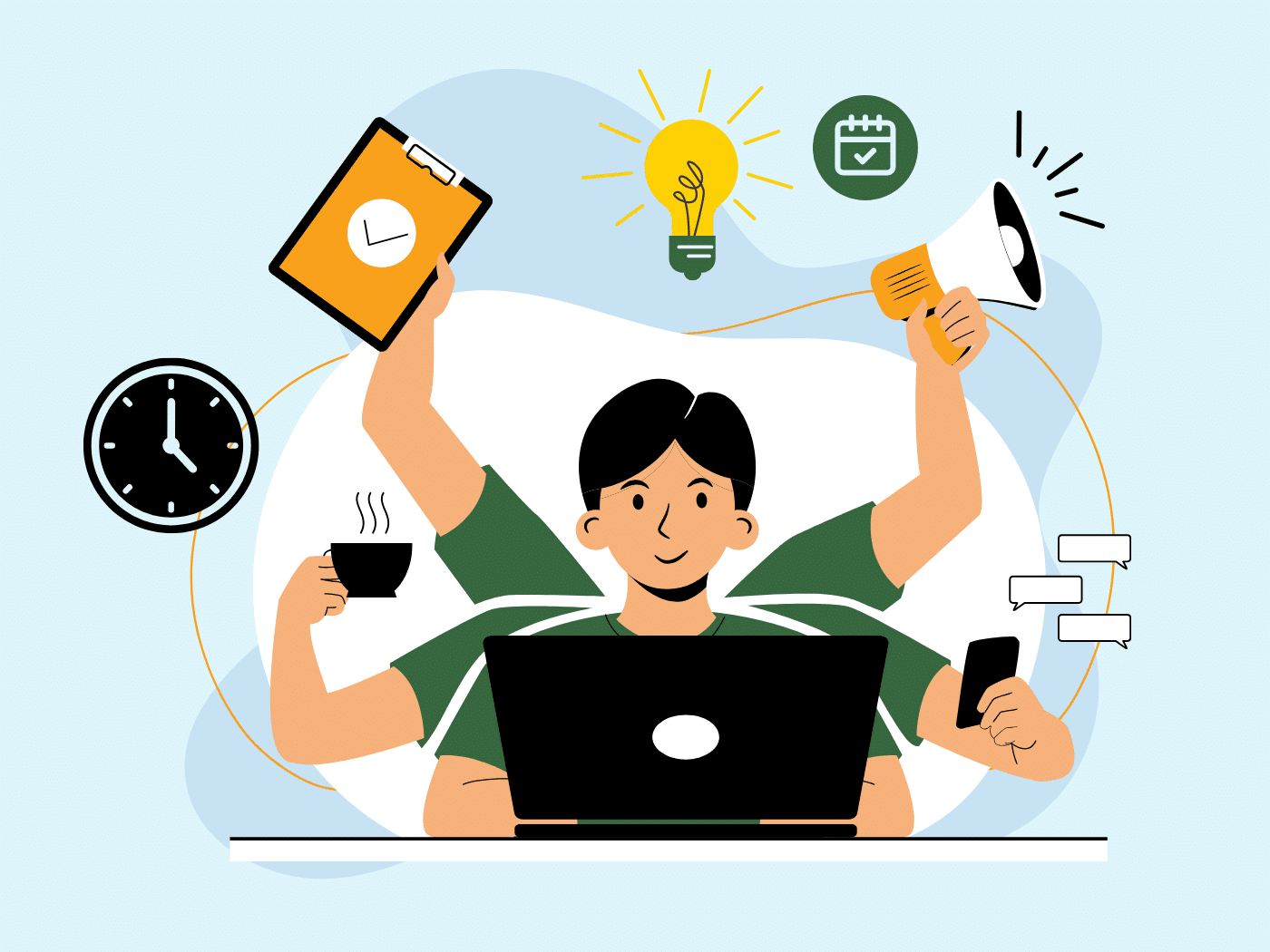
Rahul is a typical working professional. He wakes up early, checks his phone, rushes through emails, attends back-to-back meetings, and somehow tries to finish his work before the day ends. By night, he feels tired but also confused—“I worked the whole day, but what did I actually complete?”
This is not just Rahul’s story. It is the story of millions of busy professionals today. The problem is not lack of effort. The real problem is how we use our time and technology.
The good news is that a few simple tech habits can make a big difference. You don’t need complex tools or expensive software. Small changes in how you use your devices can help you save time, reduce stress, and get more done.
Let’s walk through Rahul’s day again—but this time, with a smarter approach.
Start the Day with Clarity, Not Chaos
Earlier, Rahul used to start his day by opening emails and WhatsApp messages. Within minutes, he would get distracted. One message leads to another, then a notification pops up, and suddenly 30 minutes are gone.
Now, Rahul follows a simple rule. He does not open emails or social media first thing in the morning. Instead, he uses a notes or task app to plan his day.
Every morning, he writes down just 3 to 5 important tasks that must be completed. Not 20 things, not a long list—only the most important ones. This gives him clarity.
He also uses reminders and calendar blocks. For example, from 10 AM to 12 PM, he sets a “focus time” block where he avoids meetings and distractions. This small habit helps him work deeply without interruptions.
Another change he made is turning off non-essential notifications. Earlier, his phone would buzz every few minutes. Now, only important apps like calls and calendar alerts are allowed. This reduces mental noise and helps him stay focused.
This first step may look simple, but it sets the tone for the whole day. Instead of reacting to everything, Rahul now starts with a plan.
Use Smart Tools to Work Faster, Not Harder
During the day, Rahul has many tasks—emails, documents, meetings, and reports. Earlier, he used to do everything manually, which took a lot of time.
Now, he uses a few smart tech tricks to speed things up.
For emails, he uses templates. Instead of typing the same responses again and again, he saves common replies and reuses them. This alone saves him a lot of time daily.
He also uses voice typing for quick notes and messages. When he is busy or tired, speaking is faster than typing. Many devices today support accurate voice input, making this very practical.
For meetings, Rahul started using tools that automatically take notes and highlight key points. Earlier, he had to write everything manually and still miss important details. Now, he can focus on the conversation while the tool handles the notes.
File management was another problem. His desktop used to be full of random files. Now, he follows a simple system—clear folder names, cloud storage, and regular cleanup. This makes it easy to find anything within seconds.
One more useful habit he adopted is using keyboard shortcuts. Small actions like copy, paste, switching tabs, or opening apps become faster. It may sound minor, but over a full day, it saves a lot of time.
The idea is not to use too many tools. Rahul uses only a few, but he uses them well. This helps him work smarter instead of just working harder.
Reduce Distractions and Protect Your Focus
Even with the best tools, productivity can fail if there are too many distractions. Rahul learned this the hard way.
Earlier, he would try to work while checking messages, scrolling social media, and attending calls. This made his work slow and stressful.
Now, he follows a simple technique. When he needs to focus, he keeps his phone away or uses “Do Not Disturb” mode. He also uses apps that block distracting websites during work hours.
He works in short focused sessions, usually 25 to 45 minutes, followed by a small break. During that time, he gives full attention to one task only. No multitasking.
At first, this felt difficult. But after a few days, he noticed that he was finishing tasks faster and with better quality.
Another important change is how he handles meetings. Earlier, his calendar was full of unnecessary meetings. Now, he asks a simple question before accepting any meeting—“Is this really needed?”
If a discussion can be done through a quick message or email, he avoids the meeting. This frees up more time for actual work.
By protecting his focus, Rahul was able to reduce stress and feel more in control of his day.
Build Small Habits That Save Time Every Day
Productivity is not about one big change. It is about small habits that add up over time.
Rahul now ends his day with a quick review. He checks what he completed, what is pending, and plans for the next day. This helps him start the next morning without confusion.
He also keeps his digital space clean—emails organized, files sorted, and apps updated. This avoids last-minute panic when something is needed urgently.
Another habit is using automation wherever possible. Simple things like auto-paying bills, scheduling emails, or setting reminders reduce mental load.
These habits may take a little effort in the beginning, but once they become routine, they save time every single day.
Rahul’s work did not change. His office, his tasks, and his responsibilities are still the same. What changed is how he uses technology.
Instead of letting devices control his time, he started using them in a smarter way. With a few simple tech hacks, he became more focused, more organized, and less stressed.
This is something anyone can do. You don’t need to be a tech expert. You just need to be more intentional with how you use your tools.
In today’s busy world, productivity is not about doing more things. It is about doing the right things, in the right way, at the right time.
And sometimes, small changes in your daily tech habits can make the biggest difference.