Meera runs a small online business. Every day, she checks emails, manages payments, talks to customers, and posts updates on social media. Like most people, she believes she is careful. She doesn’t visit “strange” websites and avoids downloading unknown files.
But one afternoon, she gets an email that looks exactly like it came from her bank. It says there is a problem with her account and asks her to click a link to fix it. The message looks real, so she clicks and enters her details.
Within hours, she notices something is wrong. Transactions she didn’t make start appearing. That’s when she realizes—she has been scammed.
Meera’s story is very common. You don’t need to be a hacker’s target personally. Most cyber attacks today are automated and target thousands of people at once. The goal is simple: find someone who is not careful for even one moment.
The good news is that you don’t need to be a tech expert to stay safe. A few simple habits can protect you from most threats.
Understanding the Basics Without Fear
Many people think cybersecurity is complicated. Words like “malware,” “phishing,” and “encryption” sound technical and confusing. But at its core, cybersecurity is about one simple thing—protecting your personal information.
Think of your data like the keys to your house. Your passwords, bank details, emails, and personal photos are valuable. If someone gets access, they can misuse it.
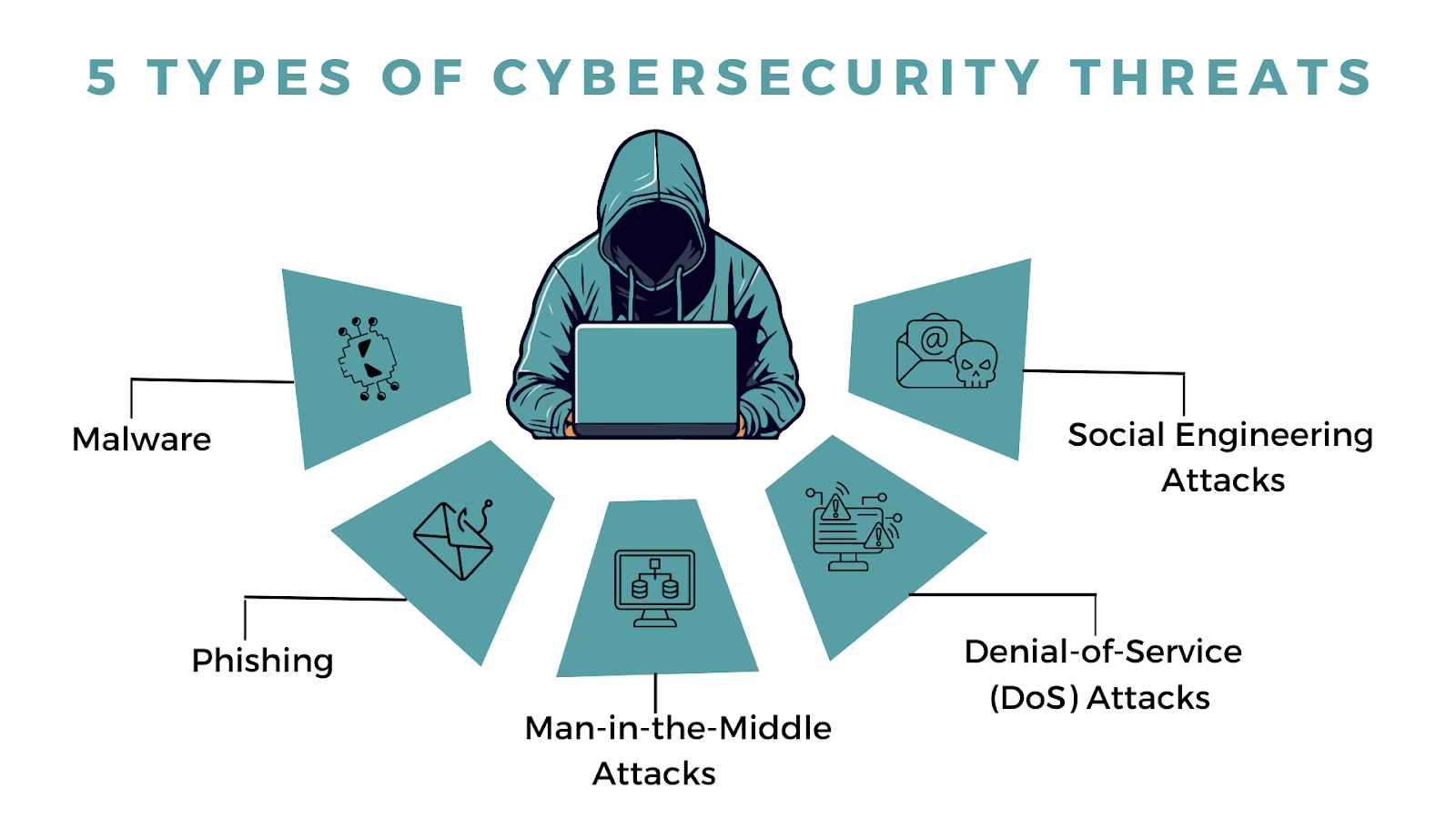
One of the most common threats is phishing. This is what happened to Meera. Hackers send fake emails or messages that look real. They try to create urgency—like “your account will be blocked” or “you have won a prize.” The goal is to make you act quickly without thinking.
Another common risk is weak passwords. Many people use simple passwords like “123456” or reuse the same password across multiple accounts. If one account gets hacked, all other accounts become vulnerable.
Public Wi-Fi is another hidden risk. Free internet in cafes, airports, or hotels may not always be secure. If you enter sensitive information on such networks, it can be intercepted.
The important thing to remember is this: most cyber attacks do not happen because of advanced hacking. They happen because of simple mistakes.
Once Meera understood this, she realized that staying safe is more about awareness than technical knowledge.
Simple Habits That Make a Big Difference
After her experience, Meera decided to change a few habits. These were not complicated steps, but they made her digital life much safer.
The first thing she did was improve her passwords. Instead of using simple or repeated passwords, she started using strong, unique ones for each account. A good password is long and includes a mix of letters, numbers, and symbols. To manage them easily, she started using a password manager.
Next, she enabled two-factor authentication (2FA) wherever possible. This adds an extra layer of security. Even if someone gets her password, they cannot log in without a second code sent to her phone or email.
She also became more careful with emails and messages. Now, she checks the sender’s address properly and avoids clicking on suspicious links. If something looks urgent or unusual, she verifies it directly from the official website or app.
For online payments, she prefers using trusted apps and avoids saving card details on multiple sites. She also checks her bank statements regularly to spot any unusual activity early.
Another simple habit she adopted is keeping her devices updated. Software updates often include security fixes. Ignoring them can leave devices open to known threats.
When using public Wi-Fi, Meera avoids logging into sensitive accounts like banking or email. If needed, she uses mobile data or a secure connection.
These habits may sound basic, but together they create a strong defense. Cybersecurity is not about one big action—it is about many small, consistent steps.
Staying Safe in a Connected World
In 2026, our lives are more connected than ever. Smartphones, laptops, smart TVs, and even home devices are linked to the internet. This makes life convenient, but it also increases risk.
For Meera, this meant thinking beyond just her phone and laptop. She started checking the security settings of her other devices too. Simple steps like setting strong Wi-Fi passwords and changing default device settings made a difference.
She also learned the importance of backups. Important files, photos, and business data are now stored in secure cloud storage as well as external drives. This ensures that even if something goes wrong, her data is not lost.
Another key change was awareness. Meera started staying informed about common scams and online threats. She did not go deep into technical details, but she kept herself updated with basic knowledge.
Cybersecurity is not a one-time task. It is an ongoing habit. New threats keep appearing, but the basic principles remain the same—be careful, stay alert, and think before you act.
Today, Meera feels more confident. She still uses the internet for everything she needs, but with a smarter approach.
Building Confidence, Not Fear
Many people avoid learning about cybersecurity because it feels scary or complicated. But the goal is not to create fear—it is to build confidence.
You don’t need to know how hacking works in detail. You just need to know how to protect yourself in everyday situations.
Start with small steps. Use strong passwords, enable extra security, and be careful with links and messages. Over time, these habits will become natural.
Just like locking your door when you leave home, digital safety should become a routine part of your life.
Meera’s mistake was not a lack of intelligence—it was a moment of trust in the wrong place. Once she learned from it, she became stronger and more aware.
In today’s digital world, staying safe is not about being an expert. It is about being careful, consistent, and informed.
And with the right habits, anyone can protect their data and use technology with confidence.