Technology is changing very fast, and one of the biggest changes in recent years is something called Edge AI. You may not hear this term every day, but you are already using it without knowing. From your smartphone to your smartwatch, from smart TVs to home security cameras—many devices are now becoming smarter because of Edge AI.
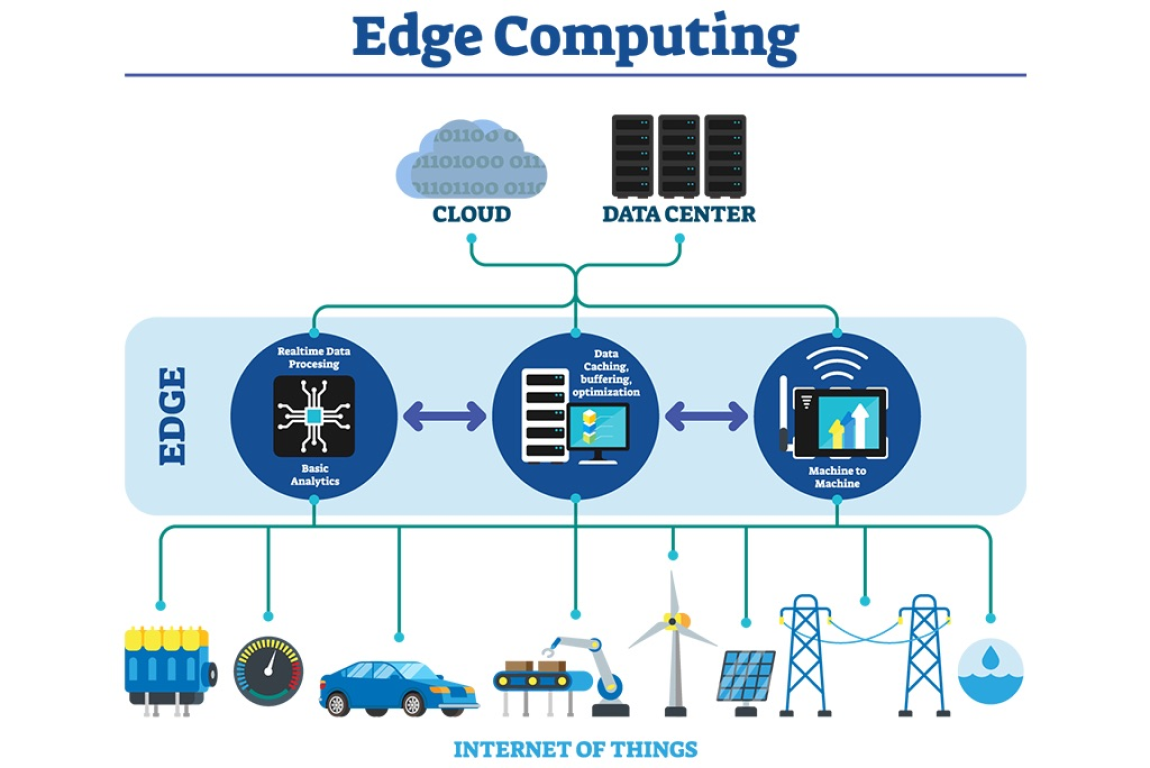
In simple words, Edge AI means that devices can think and make decisions on their own, without always needing the internet or cloud servers. This is a big shift from how technology worked earlier, where most processing happened in the cloud. Now, the “brain” is moving closer to the device itself.
In 2026, this change is making everyday life faster, safer, and more convenient. Let’s understand how this works and why it matters.
What Is Edge AI and Why It Matters
To understand Edge AI, first think about how most apps used to work. When you clicked something on your phone, the request would go to a remote server (cloud), get processed, and then come back with an answer. This takes time and also needs a stable internet connection.
Edge AI changes this process. Instead of sending data far away, the device itself processes the data. For example, your phone can now recognize your face, translate languages, or edit photos without sending data to the cloud.
This has three major advantages.
First is speed. Because the data does not need to travel to a server and back, the response is almost instant. This is very important for tasks like voice assistants, gaming, or real-time translation.
Second is privacy. When your data stays on your device, it is less likely to be exposed. For example, if your phone processes your voice commands locally, your personal conversations are not constantly sent to external servers.
Third is reliability. Edge AI works even when the internet is slow or not available. This is useful in many real-world situations like traveling, remote areas, or during network issues.
In 2026, companies are focusing more on making devices independent and intelligent. This is why Edge AI is becoming a core part of modern technology.
How Edge AI Is Changing Everyday Devices
Edge AI is not just a concept—it is already part of many devices that people use daily. The difference is that these devices are now more responsive and personalized than before.
Take smartphones as an example. Today’s phones can improve photos instantly using AI. When you take a picture, the device adjusts lighting, removes noise, and even suggests edits in real time. This happens without sending your image to the cloud. Voice assistants are also faster because they understand commands directly on the device.
Smartwatches and fitness bands are also using Edge AI. They track your heart rate, sleep patterns, and activity levels, and give instant feedback. Some devices can even detect unusual health patterns and alert you immediately. This kind of real-time response can be very helpful in managing health.
Smart homes are another area where Edge AI is growing quickly. Devices like smart cameras, doorbells, and speakers are becoming more intelligent. A smart security camera, for example, can now tell the difference between a person, an animal, or a moving object. It can send alerts only when needed, instead of recording everything.
Even home appliances are becoming smarter. Refrigerators can track what food you have and suggest recipes. Washing machines can adjust water and energy usage based on the load. These decisions are made inside the device, making them faster and more efficient.
In cars, Edge AI is playing a big role in safety. Modern vehicles can detect obstacles, monitor driver behavior, and assist in parking—all in real time. This is possible because the car processes data locally, without waiting for external input.
Another interesting use is in workplaces. Laptops and office devices now use Edge AI for features like background noise removal during calls, automatic lighting adjustment in video meetings, and faster document processing. These small improvements make a big difference in daily productivity.
Overall, Edge AI is making devices not just smart, but also more useful and user-friendly.
The Future of Edge AI: What to Expect Next
As we move further into 2026 and beyond, Edge AI will become even more powerful and common. Devices will not just respond to commands—they will start understanding habits and predicting needs.
One major trend is personalization. Devices will learn from your daily routines and offer suggestions before you even ask. For example, your phone might remind you to leave early for work based on traffic conditions, or your smartwatch may suggest a short walk after long periods of inactivity.
Another important area is healthcare. Wearable devices and home health tools will use Edge AI to monitor conditions in real time. This can help in early detection of health issues and reduce the need for frequent hospital visits. For older adults, this can provide extra safety and independence.
Edge AI will also improve energy efficiency. Smart devices will use power more wisely by understanding usage patterns. Homes and offices can reduce electricity waste by automatically adjusting lighting, cooling, and appliance usage.
In developing regions, Edge AI can make a big difference because it does not depend heavily on internet connectivity. This means people can access advanced technology even in areas with limited network coverage.
However, there are still some challenges. Devices need strong hardware to handle AI processing, which can increase cost. Also, developers must ensure that these systems are secure and do not misuse user data.
Despite these challenges, the future looks promising. As technology improves, costs will come down, and more people will be able to use these smart features.
Edge AI is quietly transforming how we interact with technology. By bringing intelligence directly into devices, it is making them faster, safer, and more reliable.
In 2026, this technology is no longer limited to experts or big industries. It is part of everyday life—from the phone in your pocket to the appliances in your home. You may not always notice it, but Edge AI is working in the background to make your life easier.
As devices continue to evolve, they will become more helpful and more personal. The goal is simple: to create technology that understands you better and supports your daily life without extra effort.
Edge AI is not just the future—it is already here, and it is making the world smarter, one device at a time.