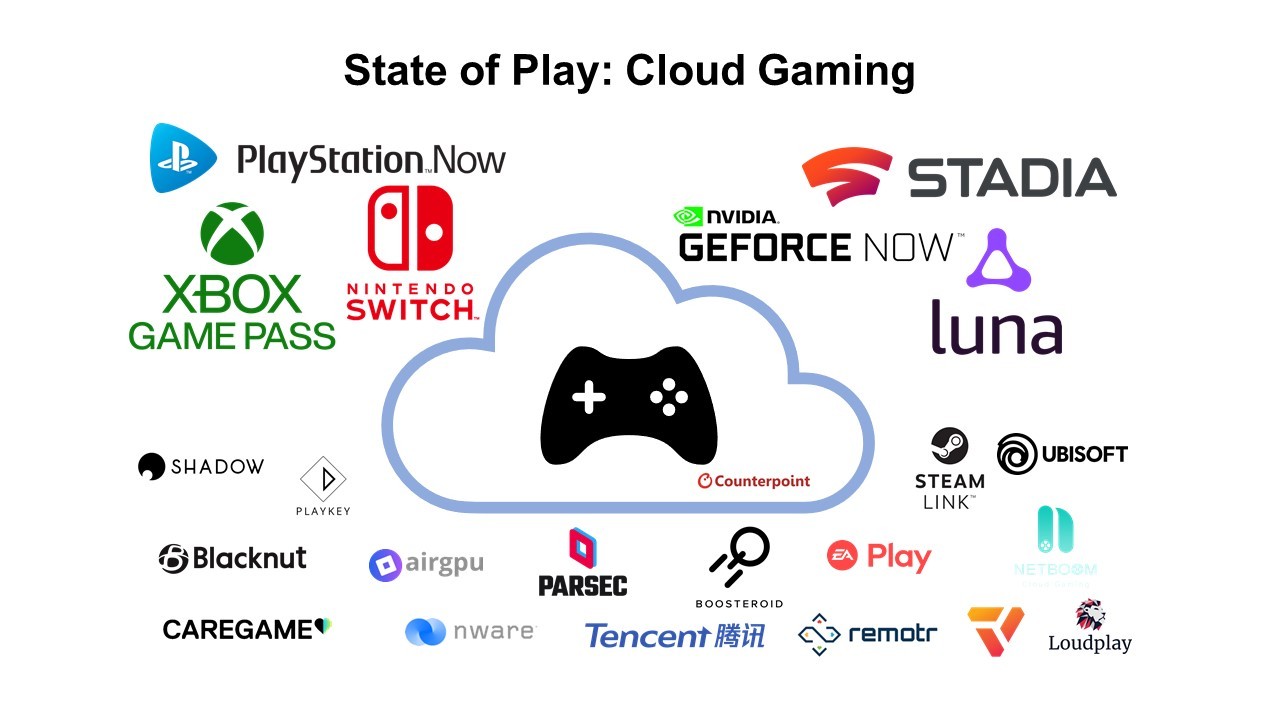
Arjun loves gaming. After a long day at work, he just wants to relax and play his favorite titles. But there is always a problem. His laptop is not powerful enough for new games. Upgrading a gaming PC is expensive, and buying a console is another big investment.
One evening, his friend tells him, “Why don’t you try cloud gaming?”
Arjun is confused. “Gaming without downloading? Without a high-end PC? Is that even possible?”
Curious, he gives it a try. Within minutes, he is playing a high-quality game on his basic laptop—no installation, no heavy hardware, just a stable internet connection.
That’s when he realizes something important. Gaming is changing.
What Is Cloud Gaming and Why Everyone Is Talking About It
Cloud gaming is a simple idea with powerful impact. Instead of running a game on your own device, the game runs on a powerful remote server. Your screen just shows the video, and your inputs (keyboard, mouse, controller) are sent over the internet.
In traditional gaming, your device does all the heavy work—graphics, processing, storage. That is why gamers spend a lot of money on GPUs, consoles, and upgrades.
Cloud gaming removes that need. You don’t need a high-end system because the “real computer” is somewhere else.
For Arjun, this was a big relief. He did not have to worry about storage space, system requirements, or long download times. He could just click and play.
This is why cloud gaming is getting popular in 2026. It makes gaming more accessible. A student with a basic laptop or even a smartphone can play high-quality games that were earlier limited to expensive setups.
Another advantage is instant access. No waiting for downloads, no updates, no patches. Everything runs on the cloud server, so you always get the latest version of the game.
It sounds perfect—but is it really that simple?
The Real Experience: What Works Well and What Doesn’t
After using cloud gaming for a few weeks, Arjun started noticing both the benefits and the limitations.
The biggest advantage was convenience. He could switch devices easily. Start playing on his laptop, continue on his phone, and even try it on a smart TV. His games were not tied to one device anymore.
He also loved the fact that he could try new games without committing to downloads or purchases. Many platforms offer subscription models, where you can access a library of games for a monthly fee. This feels similar to watching movies on streaming platforms.
But then came the challenges.
The most important factor in cloud gaming is internet quality. When the connection is strong and stable, the experience is smooth. But if the internet slows down, the game can lag, visuals can drop in quality, and controls may feel delayed.
For fast-paced games like shooting or racing, even a small delay can affect performance. Arjun noticed this especially during peak internet hours.
Another issue is data usage. Cloud gaming streams high-quality video continuously, which consumes a lot of data. For users with limited internet plans, this can become expensive.
There is also the question of ownership. In traditional gaming, once you buy a game, it is yours. In cloud gaming, access often depends on subscriptions or platform availability. If a game is removed from the service, you may lose access.
Despite these issues, Arjun still found cloud gaming useful. For casual gaming and trying new titles, it was very convenient. But for competitive gaming, he still preferred local hardware.
Where Cloud Gaming Is Heading in the Future
As technology improves, many of the current problems of cloud gaming are slowly being solved.
Internet infrastructure is getting better in many parts of the world. With faster broadband and the growth of 5G networks, latency is reducing, and streaming quality is improving. This means smoother gameplay and fewer interruptions.
Companies are also investing heavily in cloud gaming platforms. They are building more data centers closer to users, which helps reduce delay. The closer the server, the faster the response.
In the future, cloud gaming may become as common as video streaming. Just like people moved from DVDs to online streaming, gaming may also shift fully to the cloud.
For players like Arjun, this could mean more freedom. No need to upgrade hardware every few years, no worry about compatibility, and easy access to a wide range of games.
Game developers may also benefit. They can create more advanced games without worrying about hardware limitations on the user side.
However, traditional gaming will not disappear completely. Many gamers still prefer owning their games and using powerful local systems for the best performance. There will likely be a mix of both worlds.
Cloud gaming is not replacing everything—it is adding a new option.
What Every Gamer Should Think About Before Switching
If you are thinking about trying cloud gaming, it is important to understand your own needs.
If you are a casual gamer who plays for relaxation, cloud gaming can be a great choice. It is simple, flexible, and cost-effective.
If you enjoy competitive gaming or need very precise controls, you may still prefer a local setup with strong hardware.
You should also consider your internet connection. A fast and stable connection is the key to a good cloud gaming experience. Without it, even the best platform will struggle.
For Arjun, the answer was not “either-or.” He decided to use both. Cloud gaming for convenience and exploration, and traditional gaming for serious play.
This balanced approach is what many gamers are choosing in 2026.
Cloud gaming is not just a trend—it is a sign of where technology is moving. It is making gaming more accessible and flexible than ever before.
But like any technology, it comes with its own set of trade-offs.
The future of gaming may not belong to just one method. Instead, it will give players more choices. And in the end, that is what every gamer really wants—the freedom to play, anytime, anywhere, in the way that suits them best.