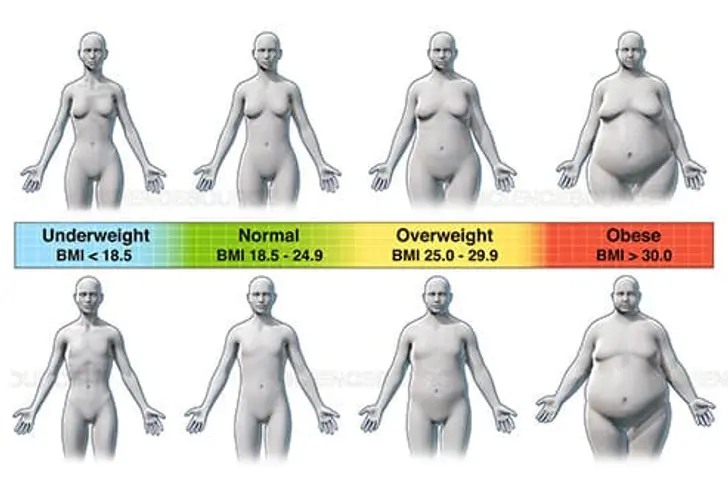
In his college days, Rohit was active, always moving, walking around campus, playing with friends. But after he started his office job, things slowly changed. Long hours at the desk, quick snacks between meetings, late dinners, and very little movement.
At first, he didn’t notice. But after a year, his clothes felt tighter. He felt more tired, even without doing much physical work. That’s when it hit him—his lifestyle had changed, and his body was reacting to it.
Rohit thought the only solution was going to the gym. But like many working professionals, he struggled to stay consistent.
So instead of depending only on workouts, he decided to fix his daily routine.
Breaking the Sitting Cycle
Rohit’s biggest issue was simple—he was sitting too much.
From morning to evening, most of his day was spent in a chair. Even after work, he would relax on the sofa or scroll on his phone.
So he made a small but important change—he stopped sitting for long continuous hours.
He set a reminder to stand up every 45–60 minutes. Sometimes he just stretched, sometimes he walked around for a few minutes. During phone calls, he tried to stand or walk instead of sitting.
At the office, he chose simple options like taking the stairs instead of the elevator and walking to a colleague’s desk instead of always sending messages.
These actions didn’t feel like “exercise,” but they reduced long inactive periods.
He also adjusted his workspace slightly. Keeping his posture better and sitting straight reduced body stiffness and fatigue.
Within a few weeks, he noticed he felt less heavy and more active during the day.
Smarter Eating During Work Hours
Rohit realized that his eating habits at the office were a big reason for his weight gain.
Earlier, he would skip breakfast or eat something quick and unhealthy. By mid-morning, he felt hungry and ended up snacking on biscuits, chips, or sugary drinks.
Lunch was often heavy, and sometimes followed by tea with more snacks. By evening, he felt low on energy again.
So he didn’t try a strict diet. He made simple changes.
He started having a proper breakfast, something that kept him full longer. This reduced his mid-morning cravings.
He also began carrying snacks from home—fruits, nuts, or something light instead of depending on office junk food.
At lunch, he focused on balance. Not too heavy, not too light. Just enough to feel satisfied without feeling sleepy.
He also reduced sugary drinks and replaced them with water or simple alternatives.
One small habit that helped a lot was eating slowly. Earlier, he would finish meals quickly while working. Now, he gave himself a few minutes to eat without distraction.
These small changes made his energy levels more stable and helped control unnecessary weight gain.
Staying Active Even with a Busy Schedule
Rohit knew that he couldn’t always find time for long workouts. So instead of waiting for the “perfect time,” he added activity in small ways.
In the morning, he started with a short routine—just 10–15 minutes of stretching or light movement. It helped his body wake up and feel ready for the day.
In the evening, instead of going straight to the sofa, he tried to take a short walk. Some days it was just 15 minutes, but it made a difference.
On weekends, he stayed a little more active. Not heavy exercise, just simple things like walking, light sports, or even doing household work.
He stopped thinking of fitness as something separate. Instead, he made it part of his lifestyle.
Another important change was sleep. Earlier, late nights made him feel tired and less active the next day. Now, he tried to sleep on time, which improved his energy and motivation.
Slowly, these habits started working together.
A Lifestyle That Supports Your Health
After a few months, Rohit noticed real changes.
He felt lighter, more energetic, and more in control of his routine. The best part was that he didn’t depend on the gym or extreme diets.
He simply changed how he lived his daily life.
Office work may require long sitting hours, but that doesn’t mean you have to accept weight gain as a result.
Small actions—standing up more, eating smarter, moving a little every day—can create a big impact over time.
The goal is not perfection. It is consistency.
You don’t need to completely change your routine overnight. Just start with one or two habits and build from there.
Because in the end, staying fit is not about how hard you work out. It is about how you take care of your body throughout the day—even while sitting at your desk.