David hadn’t “studied” in years.
He had a full-time job, a family, and a busy schedule. The last time he sat with books and notes was back in college. But now things had changed. His company was introducing new tools, and he needed to learn them quickly. He also wanted to grow in his career, maybe even switch roles.
So one evening, he opened his laptop, started an online course, and tried to study.
Within 20 minutes, he felt tired.
His phone kept distracting him, his mind wandered, and he realized something important—studying as an adult is very different from studying as a student.
But David didn’t give up. Instead, he changed the way he approached learning.
Learning in Short, Focused Bursts
In college, David used to study for long hours, especially before exams. But now, after a full day of work, that approach didn’t work anymore.
So he tried something simple.
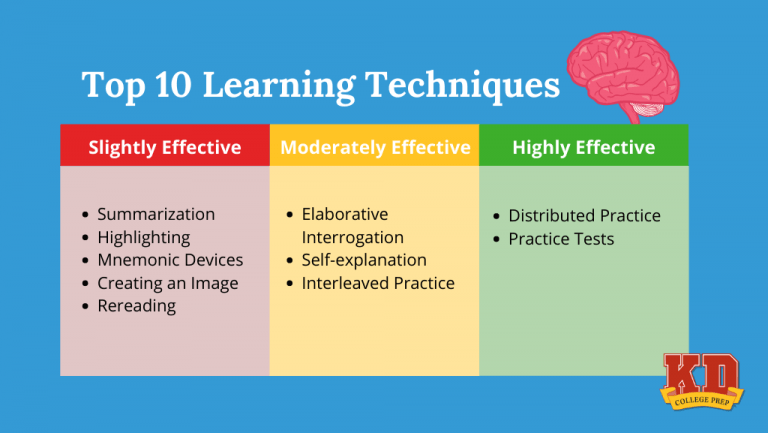
Instead of forcing himself to study for hours, he started with just 25 minutes. He set a timer, kept his phone away, and focused on one topic only. After that, he took a short break.
At first, it felt too short. But something surprising happened—he was able to focus better. Those 25 minutes were more productive than the long, distracted hours he tried earlier.
He made this a daily habit. Some days he did one session, some days two or three. But he stayed consistent.
He also chose a fixed time. For him, it was after dinner. This helped his mind get used to the routine.
Slowly, studying stopped feeling like a heavy task. It became something manageable.
Understanding Instead of Memorizing
Back in school, David used to memorize things just to pass exams. But now, that didn’t make sense anymore.
He needed to actually understand what he was learning.
So he changed his method.
Whenever he learned something new, he tried to explain it in his own words. Sometimes he spoke out loud, sometimes he wrote simple notes. If he couldn’t explain it clearly, he knew he didn’t fully understand it yet.
He also started applying what he learned immediately. If it was a new tool, he practiced using it. If it was a concept, he looked for real-life examples.
Mistakes became part of the process. Earlier, he used to feel frustrated when things didn’t work. Now, he saw mistakes as a way to learn faster.
Another trick that helped him was revisiting topics after a few days. Instead of trying to remember everything at once, he reviewed small parts regularly. This made the knowledge stick for a longer time.
Over time, he realized that adults don’t need to study like students. They need to study in a way that connects learning with real life.
Making Learning Fit into Real Life
David’s biggest challenge was not understanding—it was time.
With work, family, and daily responsibilities, finding extra hours was difficult. So instead of looking for “free time,” he started using the time he already had.
During his commute, he listened to audio lessons. While waiting or taking short breaks, he reviewed notes. On weekends, he spent a little extra time practicing what he had learned during the week.
He also connected learning with his job. Whenever possible, he used new skills at work. This made learning more useful and interesting.
Some days were tough. There were days when he was too tired or busy to study. Earlier, he would feel guilty and give up. Now, he simply continued the next day.
He stopped aiming for perfection and focused on consistency.
Another change he made was keeping things simple. He didn’t try to use too many apps or complicated systems. Just a course, a notebook, and regular practice.
Learning became part of his routine, not something extra he had to “fit in.”
Growing Step by Step
Months later, David looked back and saw how far he had come.
He didn’t study for long hours. He didn’t follow complicated methods. But he stayed consistent, focused on understanding, and made learning part of his life.
That’s when he realized something important.
Adults don’t fail at studying because they can’t learn. They struggle because they try to study the same way they did as students.
Life is different now. Responsibilities are higher, time is limited, and energy is not always the same.
But the advantage adults have is experience. They can connect learning with real situations, apply it faster, and see its value more clearly.
Studying as an adult is not about pressure or exams. It is about growth.
And with the right approach—even small, steady efforts—you can learn anything you need, no matter how busy life gets.